Modern Gum Disease Treatment Methods Explained
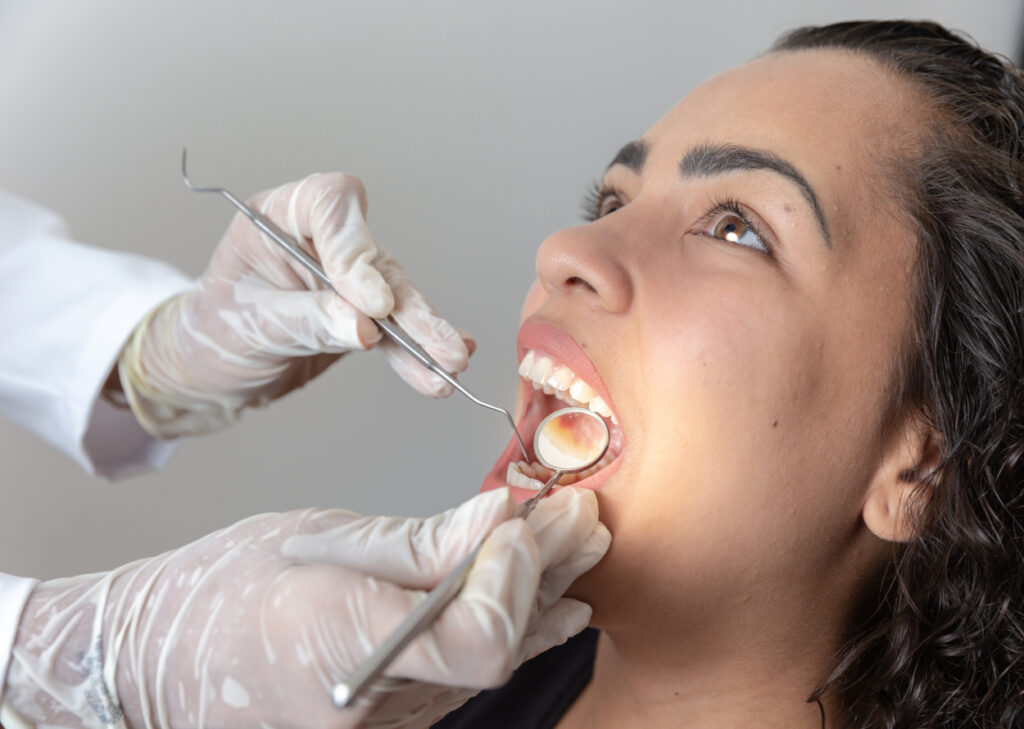
Gum disease rarely announces itself with drama. More often, it starts with a little bleeding in the sink, mild puffiness along the gumline, or a bad taste that keeps coming back. People ignore it because it does not always hurt. That is part of what makes periodontal disease so deceptive. By the time discomfort appears, damage may already be underway below the surface, where the bone and connective tissue that support the teeth are being lost.
Modern Gum Disease Treatment has changed considerably over the past couple of decades. Dentists and periodontists no longer approach every case with the same set of tools. Today, treatment is more precise, more conservative when possible, and more tailored to the severity of the infection, the patient’s anatomy, and how well they can maintain results at home. The goal is not simply to clean the teeth. It is to control infection, reduce inflammation, stop attachment loss, and create conditions that can remain stable for years.
Understanding those options matters because the phrase “deep cleaning” gets used so casually that it can hide the real complexity of periodontal care. Some patients improve with non-surgical therapy alone. Others need medication placed below the gums, laser-assisted therapy, or surgery to reshape tissue and repair deeper defects. Many also need to address risk factors such as smoking, diabetes, dry mouth, or clenching, because treatment is only as durable as the environment it has to work in.
What gum disease actually is
Gum disease begins as a bacterial biofilm problem, but it does not stay that simple. Plaque accumulates around the gumline and, if not thoroughly disrupted, hardens into tartar. The body reacts to those bacteria with inflammation. In the earliest stage, called gingivitis, the gums may look red, swollen, or shiny and may bleed during brushing or flossing. At this stage, the problem is usually reversible because the attachment and bone support have not yet been permanently damaged.
Periodontitis is different. Here, inflammation extends deeper and begins to destroy the structures that anchor teeth in place. The gum can separate from the tooth, creating periodontal pockets that trap more bacteria. Bone levels drop. Teeth may begin to feel longer because the gum recedes, or looser because support has been lost. Breath can become chronically unpleasant. Some patients notice shifting teeth or food packing between areas that used to feel tight.
One practical point often surprises people: gum disease is not always linked to poor hygiene in an obvious, simplistic way. I have seen careful brushers develop significant periodontal issues because they had crowded lower front teeth, old dental work that trapped plaque, smoking habits, mouth breathing, dry mouth from medications, or poorly controlled blood sugar. On the other side, someone with mediocre brushing may show only mild disease because their immune response, anatomy, and habits are more forgiving. That is why diagnosis matters more than assumptions.
How dentists determine the right treatment
A thorough periodontal evaluation does more than glance at the gums. The clinician measures pocket depths around each tooth, checks for bleeding, notes recession, looks for mobility, assesses bite forces, and reviews X-rays to see bone levels and the shape of any defects. A six-millimeter pocket on a back molar with bleeding and bone loss tells a very different story from a three-millimeter pocket that is simply a little inflamed.
This distinction guides treatment. A patient with generalized gingivitis may need a professional cleaning and improved home care. A patient with moderate periodontitis may need scaling and root planing, sometimes combined with localized antimicrobial therapy. A patient with advanced vertical bone defects around a few teeth may be a candidate for periodontal surgery or regenerative procedures. The treatment plan is not just about how much tartar is present. It is about how far the disease has progressed, how accessible the area is for cleaning, and whether the tissue can realistically heal without surgery.
Dentists also consider the patient’s capacity to maintain the result. Someone with arthritis, limited dexterity, or a strong gag reflex may need a simpler long-term maintenance strategy than someone who can easily use brushes, floss, and interdental aids daily. Treatment that looks ideal on paper can fail in practice if it depends on home care a patient cannot sustain.
The foundation: scaling and root planing
For many cases of periodontitis, the first line of Gum Disease Treatment is scaling and root planing. Patients often hear this called a deep cleaning, though that phrase can be misleading because it sounds like an upgraded version of a routine polish. In reality, it is a non-surgical periodontal procedure intended to remove bacterial deposits and calculus from below the gumline and smooth contaminated root surfaces so the tissue can begin to reattach and inflammation can settle.
The procedure is usually done under local anesthetic, often by quadrant, especially when multiple areas need attention. Ultrasonic instruments break up larger deposits with vibration and irrigation, while hand instruments refine the root surface and reach tighter contours. A skilled clinician is not trying to scrape aggressively for the sake of it. The aim is thoroughness with control, preserving root structure while disrupting the biologic conditions that support disease.
Healing after scaling and root planing varies. Mild soreness is common for a day or two. Teeth may feel more sensitive to cold because inflamed, swollen tissue shrinks back and exposes more root surface. That can be alarming if a patient was expecting everything to feel immediately better, but it is often part of normal healing. Over the next few weeks, good signs include less bleeding, reduced puffiness, shallower pockets, and firmer tissue tone.
It is important to be honest about limits. Deep cleaning is highly effective, but not magical. Very deep pockets, furcation areas between molar roots, and defects with difficult anatomy may still retain bacteria after excellent non-surgical care. Some patients respond beautifully and never need surgery. Others improve enough to reduce inflammation, but still have isolated sites that remain active and need a second phase of treatment.
When antibiotics and antimicrobial therapy help
Systemic antibiotics are not routinely necessary for every periodontal case, and experienced clinicians tend to use them selectively. Gum disease is a biofilm-driven infection, which means mechanical disruption remains the main treatment. Antibiotics alone cannot solve deposits that are physically attached to root surfaces. Overuse also brings concerns about side effects, resistance, and limited benefit when used indiscriminately.
That said, antimicrobial therapy has a place. In certain cases, dentists place localized antibiotics or antiseptic agents directly into periodontal pockets after scaling and root planing. These may be gels, microspheres, or slow-release inserts that deliver medication where bacterial counts are high. The advantage is concentration at the site with relatively little systemic exposure.
This approach can be helpful in stubborn sites that bleed repeatedly despite otherwise solid care, in pockets that are deep but surgically avoidable for the moment, or in patients who are medically better served by conservative treatment first. It is not a substitute for cleaning, but it can enhance results when used judiciously.
Systemic antibiotics may be considered for aggressive or rapidly progressing cases, for certain acute periodontal infections, or when the clinical pattern suggests a broader bacterial burden that local measures alone may not control. Even then, they work best when coordinated with debridement rather than given in isolation.
Laser-assisted periodontal therapy
Lasers attract a lot of attention in dentistry, sometimes more than they deserve. In gum treatment, they can be useful, but context matters. Laser-assisted periodontal therapy is not one single procedure and not every laser works the same way. Different wavelengths interact with tissue differently, and outcomes depend heavily on diagnosis, technique, and whether the laser is being used as an adjunct or as part of a defined surgical protocol.
In practical terms, lasers may help remove inflamed pocket lining, reduce bacterial load, and support decontamination in selected sites. Some clinicians value them because they can be precise and may lead to less bleeding during treatment. Patients are often drawn to the idea because it sounds less invasive than traditional surgery.
The reality is more nuanced. Laser therapy can be an excellent tool in the right hands, particularly as part of a broader periodontal plan, but it does not replace careful root debridement, good case selection, or maintenance. A laser cannot overcome poor home care or smoke exposure. It also cannot regenerate bone simply because energy was applied. When a patient asks whether laser treatment is better than conventional therapy, the most accurate answer is often that it depends on the disease pattern and the skill and goals of the treating clinician.
Surgical treatment for deeper or persistent disease
When non-surgical treatment reduces inflammation but leaves pockets that are still too deep to clean predictably, surgery may offer the best long-term outcome. This is often where modern periodontics shows its greatest sophistication. Surgical treatment today is less about doing something dramatic and more about gaining access, correcting anatomy, and preserving teeth that would otherwise continue to lose support.
Flap surgery, sometimes called pocket reduction surgery, allows the periodontist to gently reflect the gum tissue, directly visualize the root surfaces and bone contours, and remove residual deposits and diseased tissue. Once the area is thoroughly cleaned, the tissue is repositioned to reduce pocket depth and make future hygiene more manageable. This matters because a five- or six-millimeter pocket in a hard-to-reach molar area can remain chronically inflamed even in https://www.podbean.com/user-Jm5Yyxh2gI3G a motivated patient.
Osseous surgery may be performed when bone around the teeth has healed in irregular, crater-like shapes that trap plaque and perpetuate pockets. By reshaping the bone contours where appropriate, the surgeon can create a more maintainable architecture. It sounds severe when described plainly, but in selected cases it significantly improves cleansability and stability.
Gum grafting is another important surgical category, though it is aimed more at recession and exposed roots than at active infection alone. Patients with thin gum tissue, cold sensitivity, or progressing root exposure often benefit from grafting procedures that add thickness and coverage. This can reduce discomfort, improve brushing tolerance, and protect vulnerable areas from further recession.
Regenerative techniques and where they fit
One of the most meaningful advances in periodontal care is regeneration. Traditional periodontal therapy focuses on halting disease and reducing pockets. Regenerative procedures aim for more, trying to rebuild some of the bone, ligament, and support lost to periodontitis in carefully selected defects.
Not every site can be regenerated. The shape of the defect matters enormously. Narrow, contained vertical defects generally offer a better environment for regeneration than broad, shallow areas of horizontal bone loss. Tooth mobility, smoking status, oral hygiene, and systemic health also influence prognosis. This is where patients can become frustrated, because they naturally want every damaged area repaired. Biology is more selective than that.
Regenerative methods may involve bone graft materials, barrier membranes, biologic mediators such as enamel matrix derivatives, or combinations of these. The principle is to create a protected space where the right cells can repopulate the root and surrounding area rather than allowing fast-growing gum tissue to collapse into the defect first. When it works well, the result can be meaningful improvement in support around a compromised tooth.
An experienced periodontist will not oversell regeneration. The best candidates are specific, and success depends on meticulous surgical technique plus disciplined aftercare. Still, for the right defect, regenerative therapy can make the difference between maintaining a natural tooth for many years and watching it continue to decline.
What treatment feels like for patients
One source of anxiety is the fear that periodontal treatment will be painful, prolonged, or disfiguring. Modern care is usually more tolerable than patients expect. Local anesthetics are effective, and treatment is often staged so the mouth is not overwhelmed all at once. After non-surgical therapy, most patients describe soreness rather than significant pain. Surgical cases vary, but with proper planning, post-operative discomfort is commonly manageable with standard pain control, soft foods, and careful hygiene instructions.
What patients notice most is not always pain, but change. The gums may tighten and sit lower once inflammation resolves. Teeth can briefly feel more distinct or slightly looser because swollen tissue is no longer masking the true contours. Spacing that seemed to appear “after treatment” was often present biomechanically before, hidden by inflamed tissue. Setting expectations ahead of time prevents a lot of unnecessary alarm.
The timeline also matters. Healthy gum healing is not judged the day after treatment. Re-evaluation often happens several weeks later, once tissues have had time to shrink, firm up, and respond. That follow-up appointment is where the real treatment decisions take shape. Some areas improve so well that no further intervention is needed. Others reveal persistent defects that were impossible to assess accurately while everything was still inflamed.
Home care is not an accessory, it is the treatment partner
No periodontal therapy remains stable without daily plaque disruption. That is not a moral statement, just a biologic one. Professional treatment reduces the bacterial burden and corrects conditions the patient cannot fix alone. Home care determines whether the disease environment returns.
A useful home-care routine is usually simpler than people think, but it must be consistent. The exact tools vary by mouth. Tight contacts may favor floss. Open embrasures often do better with interdental brushes. Electric toothbrushes help many patients, especially those who brush too quickly or with poor angulation. Prescription-strength fluoride or desensitizing products may be added if root exposure becomes an issue after treatment.
The most effective home-care advice is individualized. A patient with bridges, implants, crowding, or deep recession does not need generic instructions copied from a pamphlet. They need a practical routine that fits their anatomy and their life. A five-minute method they can sustain is more valuable than an idealized ten-minute routine they abandon after three days.
Here are a few habits that genuinely improve periodontal outcomes:
- Brush twice daily with a soft brush, focusing the bristles at the gumline rather than just the tooth surface.
- Clean between the teeth once a day with the aid that actually fits the spaces, whether floss, interdental brushes, or another recommended tool.
- Keep maintenance appointments on schedule, especially during the first year after active treatment.
- Address dry mouth, smoking, and uncontrolled blood sugar, because each one can undermine healing.
- Report new bleeding, swelling, or shifting teeth early instead of waiting for the next recall.
The role of periodontal maintenance
Many people assume treatment ends when the gums stop bleeding. Periodontal maintenance is what protects the investment. Unlike a standard cleaning, maintenance visits are designed for patients with a history of periodontitis and focus on monitoring pocket depths, inflammation, plaque retention patterns, recession, mobility, and recurrent disease sites.
These visits are often scheduled every three to four months at first, though the interval can change depending on risk level and stability. That shorter cycle exists for a reason. Harmful bacteria can repopulate pockets in a matter of weeks, and patients with prior attachment loss have less margin for neglect. Maintenance allows clinicians to catch breakdown when it is still localized and manageable.
This is one of the most underestimated parts of Gum Disease Treatment. I have seen beautifully treated cases unravel because patients disappeared for two years after finishing active therapy. I have also seen severely compromised mouths stay stable for a decade because the patient kept every maintenance visit, used their home-care tools faithfully, and stayed ahead of small flare-ups before they became major setbacks.
How treatment decisions change with smoking, diabetes, and age
Risk factors change prognosis more than many patients realize. Smoking remains one of the strongest negative influences in periodontal care. Smokers may bleed less visibly despite having more disease, which can create a false sense of security. They also tend to heal less favorably and respond less predictably to both non-surgical and surgical treatment. Quitting does not erase the past, but it improves future treatment response in a very real way.
Diabetes, particularly when poorly controlled, is another major factor. Elevated blood sugar can worsen inflammation and impair healing, while active periodontal infection can make glycemic control more difficult. The relationship runs both ways. In practical clinical terms, patients with well-managed diabetes generally do much better than those with fluctuating or high levels. Coordination with a physician is sometimes an important part of dental success.
Age matters, though not in the simplistic sense many assume. Older adults are not automatically poor candidates for periodontal treatment. In fact, many maintain their teeth very well with appropriate care. What matters more is dexterity, medications, salivary flow, existing restorations, and the pattern of bone loss. A healthy seventy-year-old who is committed to maintenance may have a better periodontal prognosis than a stressed forty-year-old smoker who misses appointments and grinds heavily at night.
When extraction is the better treatment
There is a tendency in dentistry to frame saving a tooth as inherently better than removing it. Often that is true, but not always. Some teeth have such advanced attachment loss, unfavorable root anatomy, fractures, severe mobility, or recurrent infection that heroic periodontal treatment becomes difficult to justify. The right decision is not the most complex one. It is the one that best serves long-term function, comfort, and overall oral health.
For example, a molar with deep bone loss between roots, repeated abscesses, and poor access for cleaning may consume time, money, and effort only to remain unstable. In contrast, a strategic extraction followed by a well-planned replacement, or sometimes no replacement at all if the bite allows, may be more predictable. Good clinicians know how to balance idealism with realism.
That decision should always include the patient’s goals, budget, health, and tolerance for ongoing maintenance. Some people are highly motivated to try every reasonable measure to keep a natural tooth. Others prefer a clearer, more predictable path. Neither stance is wrong when it is informed.
What a sensible treatment plan usually includes
Despite all the technology now available, good periodontal care still follows a logical progression. Diagnosis comes first, then control of inflammation, then reassessment, then site-specific refinement. That sequence prevents overtreatment and helps distinguish areas that simply needed proper cleaning from areas that truly require advanced intervention.
A practical treatment plan often includes the following phases:
| Phase | Purpose | Typical methods | |---|---|---| | evaluation | define severity and risks | probing, X-rays, medical review | | initial therapy | reduce bacterial burden | scaling and root planing, hygiene coaching | | re-evaluation | measure tissue response | repeat probing, bleeding assessment | | advanced care if needed | treat persistent deep sites | localized antimicrobials, surgery, regeneration | | maintenance | prevent relapse | periodontal cleanings every few months |
This sequence is not rigid, but it reflects how successful treatment is usually built. The smartest plans leave room to observe tissue behavior rather than assuming every pocket needs the most aggressive option from day one.
The future is more personalized, not necessarily more complicated
The biggest change in modern periodontics is not any single device or product. It is the movement toward more personalized care. Clinicians are better at identifying which sites can heal conservatively, which defects may benefit from regeneration, and which patients need risk-factor management before surgery will even have a fair chance. That is good for patients because it avoids both undertreatment and unnecessary intervention.
If there is one message worth taking seriously, it is this: gum disease is highly treatable when addressed early and managed consistently. Bleeding gums are not normal. Loose teeth are not an inevitable part of aging. Persistent bad breath should not be dismissed if the gumline is inflamed. The mouth usually gives warnings long before teeth are lost.
Modern Gum Disease Treatment works best when patients stop seeing it as a single appointment and start seeing it as disease control with phases. The first visit may remove years of hidden buildup. The next may show how much the tissues can recover on their own. A later step may involve surgery in just one area while the rest of the mouth remains stable with maintenance. That kind of precision is a sign of progress. It means treatment is responding to biology, not forcing every patient into the same mold.
For anyone hearing terms like periodontitis, pocketing, bone loss, or deep cleaning for the first time, the situation can sound worse than it is. The healthier perspective is to see it as a condition that now has far more refined treatment options than it once did. With accurate diagnosis, disciplined home care, and well-timed professional follow-up, many teeth affected by gum disease can remain functional and comfortable for a long time.
Avra Dental
Address: 1708 S Victoria Ave B, Ventura, CA 93003
Phone number: +18057653206
FAQ About Gum Disease Treatment
Can I make my gums healthy again?
Yes, you can make early-stage gum disease completely healthy again, but advanced damage requires professional care to manage.
Can you cure gum disease?
You can cure early-stage gum disease, but advanced gum disease cannot be fully cured.
Can I live a normal life with gum disease?
Yes, you can live a normal life with gum disease, but it requires active, lifelong management to control the condition and prevent serious complications